DESIGN TRANSCRIPT
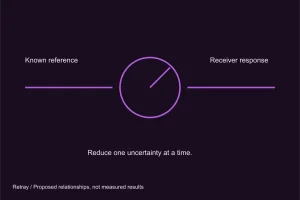
Calibration Needs a Reference
Consider manual calibration in Relay Return: a stable reference, a bounded adjustment and an honest indication of what the check can and cannot establish.

A transcript should preserve the question behind an instrument, not simply announce that another feature exists. This journal examines the proposed control relationships in Retray’s two retro-space concepts. Entries discuss design intentions and possible prototype checks; they do not present invented playtest results or claim that the pictured systems have already been implemented.
Begin with switch states if you want to understand how a requested action differs from a confirmed result. Choose radar timing if the age of a reading interests you. The landing note follows a whole sequence of decisions, while the calibration note asks what a reliable reference must establish before an adjustment is meaningful. Each article links back to the relevant flight concept.
The dates shown here describe publication of these notes. They are not milestones in a promised release schedule. A changed design should be explained in a later revision rather than disguised as a successful experiment. We prefer a clear unresolved question to an impressive-sounding result that the available work cannot support.
After reading, return to Flight Manuals and consider how the instrument changes the astronaut’s next choice. If the connection is difficult to see, that is useful feedback for the flight desk. A control earns its space when it helps the player reason about the flight.
Consider manual calibration in Relay Return: a stable reference, a bounded adjustment and an honest indication of what the check can and cannot establish.
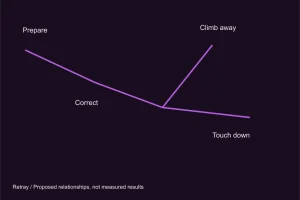
Trace a proposed Tin Horizon approach from preparation to touchdown, including lateral room, recovery choices and the evidence a useful replay should retain.
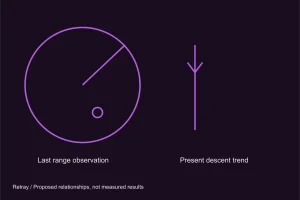
Examine how an aged radar return can remain useful in Tin Horizon when sweep timing, descent trends and cockpit feedback make the delay understandable.
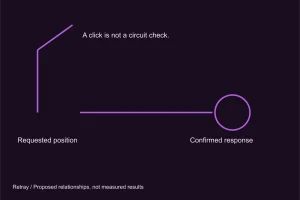
Follow the difference between a requested switch position and a confirmed circuit response in Retray’s analog spacecraft concepts and cockpit design notes.